Hybrid Mode of Working: Why Coworking Spaces Are Perfect (2026)
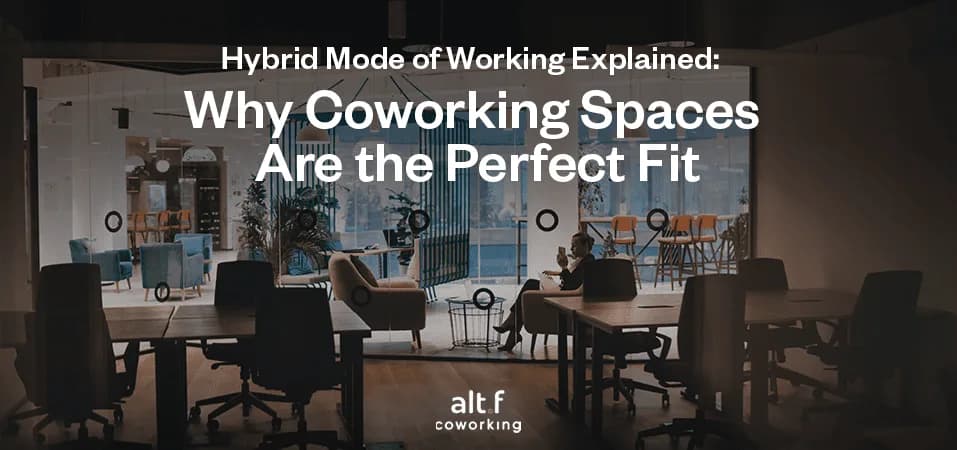
The hybrid mode of working is a blend of in-office and remote work, providing pr...
Himanshi Malhotra
29 Apr 2026

Kunal Thakur
19 Dec 2025
Hiring your first 10 people is a crucial step for any startup, as these early hires shape company culture, performance, and long-term growth. The article explains how founders can hire strategically by defining clear roles, prioritizing impact over titles, and focusing on mindset and cultural fit. It also highlights the value of referrals, a structured interview process, transparent compensation, and strong onboarding to build a team that can grow and scale with the business.
Hiring your first 10 people is one of the most important milestones in a startup’s journey. These early hires do much more than fill roles. They shape your company culture, influence decision-making, and set the pace for how your business grows. The right team can help you scale faster, while the wrong hiring decisions can slow progress, drain resources, and create long-term challenges. Many first-time founders struggle with early hiring. Common mistakes include hiring too fast, focusing only on resumes, ignoring cultural fit, or recruiting people who are not comfortable working in an evolving environment. This guide walks you through a clear, practical approach to hiring your first 10 people and building a team that supports sustainable growth.
Your first 10 employees are not just staff members. They are builders. They help define how work gets done, how problems are solved, and how the company behaves under pressure. Early hires often:
Influence company values and culture
Set standards for performance and accountability
Shape internal processes and communication
Represent your brand to customers and partners
Because of this, hiring at this stage should be intentional and strategic, not rushed.
Before writing job descriptions or posting openings, take time to understand what your startup actually needs right now.
Ask yourself:
What functions are slowing the business down?
Where do we need immediate impact?
Is the priority product development, sales, marketing, or operations?
Early hiring should focus on solving real business problems, not building a large team too quickly.
At this stage, job titles matter far less than outcomes. Look for people who can:
Take ownership of tasks
Adapt to changing priorities
Deliver results without constant supervision
In the first 10 hires, versatility is a huge advantage. People who can handle multiple responsibilities add far more value than those who are limited to a single function.
Technical skills are important, but mindset and attitude matter even more in an early-stage startup.
Strong early hires often share these qualities:
Comfort with ambiguity and uncertainty
Strong problem-solving skills
Ownership mentality and accountability
Willingness to learn and adapt quickly
Alignment with the company’s mission and values
During interviews:
Ask candidates to describe how they handled challenges in past roles
Present real scenarios your startup is facing
Observe how they think, communicate, and approach problems
Hiring for cultural fit does not mean hiring people who think the same way. It means hiring people who share your values and work ethic.
One of the most effective ways to find quality talent early on is through your existing network.
Former colleagues and teammates
Industry peers and founders
Advisors, mentors, and investors
Startup meetups and networking events
LinkedIn connections and referrals
Referrals often lead to faster hiring, better alignment, and lower risk compared to cold applications from generic job boards.
A clear hiring process helps you make better decisions without slowing momentum.
Initial Screening Call: Understand motivation, expectations, and cultural alignment.
Skill Assessment or Task: Assign a small project that reflects real work.
Final Interview: Focus on mindset, problem-solving, collaboration, and ownership.
Hiring too slowly can delay growth, while rushed hiring often leads to costly mistakes. Aim for a process that is efficient but thorough.
Early-stage startups often operate with limited budgets. Honesty and clarity go a long way.
Learning opportunities and exposure
Career growth and responsibility
Flexible work arrangements
Performance-based incentives
Long-term growth potential
Your first hires should see themselves as partners in the journey, not just employees collecting a paycheck.
Hiring does not end once the offer letter is signed. Onboarding plays a major role in whether early employees succeed and stay.
Clearly define roles and expectations from day one
Set short-term and long-term goals
Assign a mentor or point of contact
Schedule regular check-ins and feedback sessions
Early employees who feel supported and valued are far more likely to stay committed and grow with the company.
Many startups struggle because of avoidable hiring errors. Watch out for:
Hiring too many people too fast
Overvaluing resumes instead of real ability
Ignoring cultural misalignment
Skipping proper onboarding
Avoiding difficult feedback conversations
Avoiding these mistakes can save time, money, and morale.
Define critical roles before hiring
Focus on mindset and cultural fit
Use referrals and networks first
Keep the interview process lean and structured
Be honest about compensation and growth
Invest in onboarding and retention early
Hiring your first 10 people is not just about filling positions. It is about building the foundation of your company. Every hire should be intentional, aligned with your vision, and equipped to grow with the business.
Along with the right people, the right environment also matters. Workspaces that support focus, collaboration, and planning can quietly strengthen team productivity and decision-making. When people and environment align, startups gain a powerful advantage that fuels long-term success.
The hybrid mode of working is a blend of in-office and remote work, providing pr...
Himanshi Malhotra
29 Apr 2026
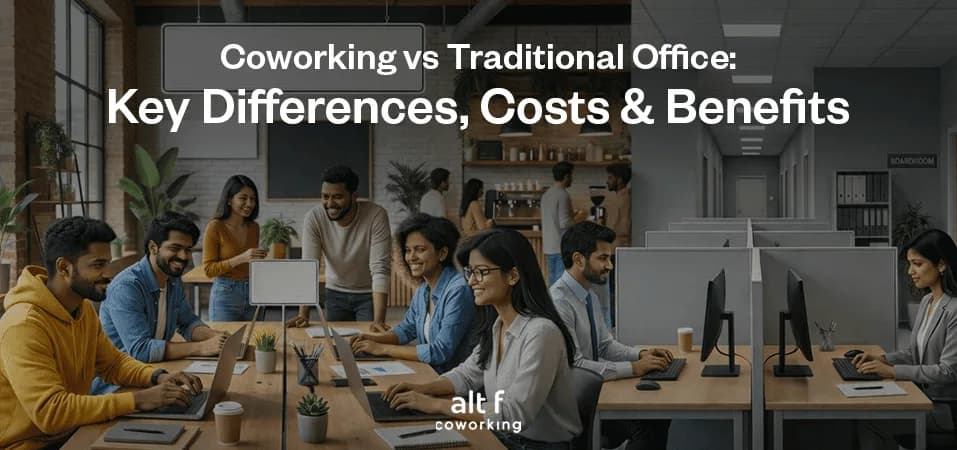
When we are talking about the comparison between coworking vs traditional office...
Himanshi Malhotra
21 Apr 2026
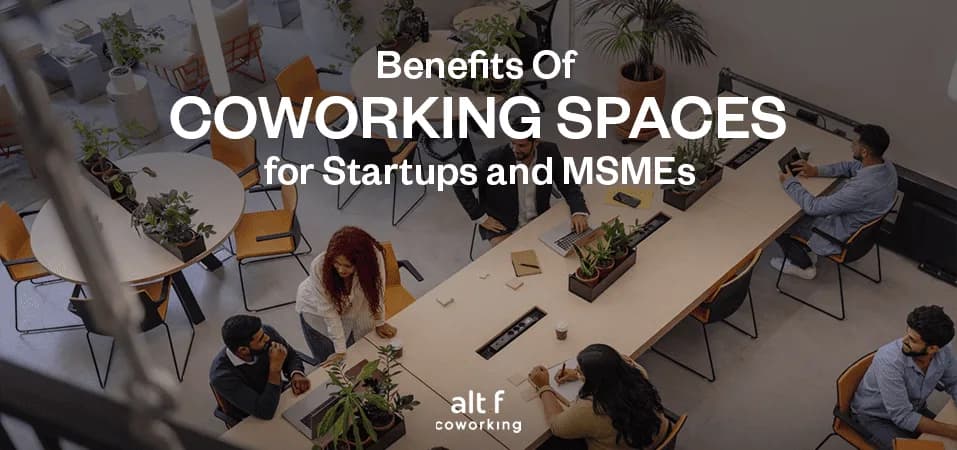
Shared office spaces have become a game-changer for startups and MSMEs in 2026, ...
Himanshi Malhotra
07 Apr 2026
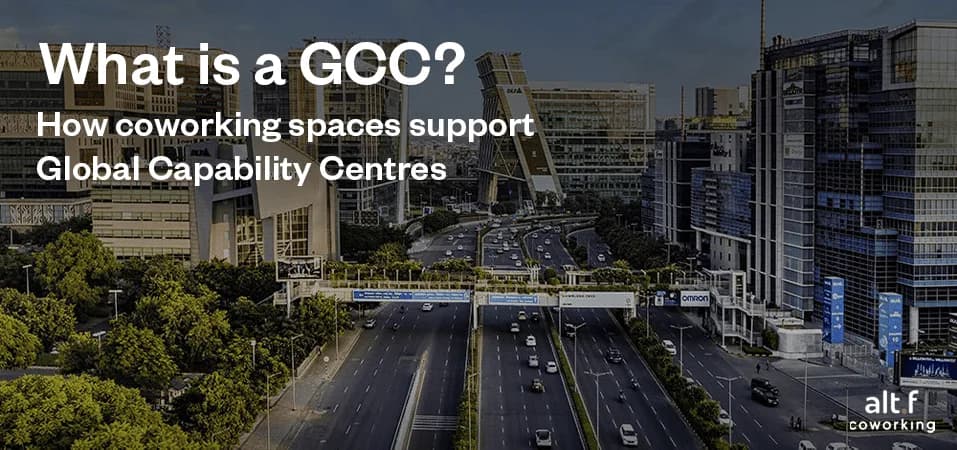
Setting up a Global Capability Center in India is one of the biggest and smartes...
Himanshi Malhotra
30 Apr 2026
The hybrid mode of working is a blend of in-office and remote work, providing pr...
Himanshi Malhotra
29 Apr 2026
When we are talking about the comparison between coworking vs traditional office...
Himanshi Malhotra
21 Apr 2026
Shared office spaces have become a game-changer for startups and MSMEs in 2026, ...
Himanshi Malhotra
07 Apr 2026
When it comes to building a productive workspace, knowing the types of office sp...
Himanshi Malhotra
02 Apr 2026